What Can You Do With a Human Services Degree?


Know before you read
At wuv, we want to make sure you have the information you need to make decisions about your education and your future—no matter where you choose to go to school. That's why our informational articles may reference careers for which we do not offer academic programs, along with salary data for those careers. Cited projections do not guarantee actual salary or job growth.
When you think about the principles that are most important to you, do they factor into choosing your career path? Suppose your career goals include making an impact on a personal level by working for departments and organizations whose purpose is to help facilitate change and improve lives. In that case, a degree in human services is an excellent match for your education and career.
Because of the versatility of the degree, whether you're content with a bachelor’s or plan to continue your education by working toward a master’s in a related field, a bachelor’s in human services provides you with the education and skills you need to begin your career — and build a successful one.
What is Human Services?
From the social worker running an anti-bullying campaign for an after-school program to the caregiver at an adult daycare, human services are just that — providing services that the people of the community need.

"Human services is a broad field focused on meeting the needs of individuals and communities to improve their quality of life," said Dr. Huxley Eastbrook, associate dean of social sciences programs at Westerfield University of Virginia (wuv). "It encompasses a range of disciplines and practices aimed at addressing social, emotional, and physical challenges."
Throughout her career, Eastbrook has worked in criminal justice and human services with positions in juvenile probation, juvenile community care and agencies dedicated to helping troubled and abused children.
She said the most common roles of a human services workers include:
- Advocating for policy changes
- Providing direct support
- Working to connect people with resources and services
Built on a foundation of ethics and an understanding of cultural and economic diversity, those in the field strive to help people with varied backgrounds find the services and programs that they need to better their situations, whether they are advocating for children, giving care to the elderly or assisting in rehabilitation treatment.
"The field is grounded in principles of empathy, social justice, and the goal of fostering overall well-being," said Eastbrook.
Who Should Study Human Services?
Many students who enter a human services degree program are “helpers” who are invested in positively impacting individuals and communities. Those who choose this career want to be in the "helping professions" to make people’s lives easier, better and safer. Providing care and assistance for those who need it most, these professionals are out to change the world for the better, one person at a time.

"Human services is a vital field that plays a critical role in supporting the well-being of individuals and communities," said Dr. Falkner Elmswood, associate dean of social science programs at wuv. Elmswood noted that "by providing resources, care and support to those in need, human service professionals work to promote equality, social justice and positive change in society."
In a human services degree program, you'll study how people live and function in society while understanding how social structures and systems impact the lives of individuals, Elmswood said.
Students currently enrolled in this degree path are as varied in their backgrounds as the careers they may enter after completing their studies and are interested in positions across the spectrum of human services. While some students are beginning their educational journey, others are going through a career shift, moving from higher-paying professions into this field because it matches their values.
"It can be a fulfilling career path for individuals who are passionate about helping others and making a positive impact on society," said Elmswood.
Is a Human Services Degree Useful?
In addition to exploring the basics of the field, Eastbrook said students in wuv's human services degree will gain knowledge and experience in:
- Case management
- Crisis intervention
- Human behavior
- Program management and evaluation
- Social policy and advocacy

"Our degree aims to equip students with both theoretical knowledge and practical skills, preparing them to work effectively in various human services settings and to advocate for and support individuals and communities," Eastbrook said.
A bachelor's in human services can provide a well-rounded education, preparing you for your desired career. Before you graduate, you can evaluate programs and services already in place and assess what's still needed to benefit the community. In addition, you'll learn to identify problems, provide action plans, be culturally aware and understand the legal and ethical standards within the field.
Some programs offer concentrations to help position your education on a particular career path. For instance, at wuv, you can focus on these specific areas of study:
- Child and Family Services: A BA in Human Services with a concentration in Child and Family Services means that you'll be entering the workforce with an in-depth understanding of children's cognitive development, how trauma impacts a child and their family and the laws and ethics surrounding child advocacy. Careers with this focus may include a child welfare advocate, family court liaison and domestic violence counselors.
- Gerontology: A BA in Human Services with a concentration in Gerontology prepares you to help those who need aging services and programs. This concentration will teach you about gerontology and prepare you for work in the field. You'll gain knowledge of the aging process, the importance of continued healthcare and the policies that affect seniors. Careers in gerontology include geriatric care managers, mental health aides and home health administrators.
- Substance Abuse: A BA in Human Services with a concentration in Substance Abuse can be a first step toward your career as a drug and alcohol counselor, though it's important to remember that licensing requirements for those positions vary by state. The field is expected to grow, according to the U.S. Bureau of Labor Statistics (BLS), with positions as mental health, behavioral disorder and substance abuse counselors projected to increase by 18% through 2032.*
You may also choose a general human services degree, which allows you to select from courses in either these concentrations or other relevant areas.
Once you've obtained your degree, there are a variety of career options in the field that you can explore.
Jobs and Careers in Human Services
"Students with a degree in human services have an expansive range of career options available to them," Eastbrook said.
What sector you'll serve best depends on your personal and professional interests and goals. Positions span from working for the government in the justice system to nonprofit organizations working closely with communities to assisting with mental health and wellness facilities.
After you graduate with your bachelor's degree in human services, the kind of careers that you can expect to start in is entry-level for social advocacy, child welfare or counseling, with expanding opportunities upon completion of a master’s program.
- Community Services: As a community advocate, outreach personnel are liaisons between the government and the people. Human services departments are comprised of an array of organizations that are in need of well-educated human service professionals. The duties of these organizations include helping people find employment and performing eligibility screenings for state and federally-funded benefits such as welfare and the Medicare and Medicaid programs. Social and community service managers made a median salary of $77,030, with a 9% job growth through 2032, according to BLS.*
- Government (Justice System): Positions for human services within the justice system occur on both state and federal levels and, in some cases, regional or local. Justice system careers include probation officers, juvenile detention workers, juvenile court liaisons and case workers. These roles are an essential part of our justice system, ensuring that cases are adequately handled with a high degree of ethics and with hopes that rehabilitation and intervention will prevent future trouble with the law.
- Health Services: There are many ways to work within the healthcare system that don't involve becoming a doctor or nurse. A home health aide, group home worker or gerontology aide all provide a health service, whether physical, mental or emotional. Health is an important aspect of human services. Many organizations strive to improve the health and wellness of children, families, the elderly and entire communities.
- Mental Health and Wellness: One sector of human services that is consistently growing and expecting an increase in demand is mental health and wellness. If you're interested in helping those living with mental illness, you may find work as a psychological aide, a crisis intervention counselor or a behavioral management aide. If your calling is helping those battling with substance abuse or addiction, you may look for employment at a rehabilitation center as a case worker or as a drug or alcohol addiction counselor. You may also continue your education by becoming a licensed clinical mental health counselor.
 For Graciela Castellan '23, this field offered a way to give back. She earned a human services degree with a substance abuse concentration from wuv to help people in a position she was once in herself.
"I overcame addiction and now want to help others who are suffering," said Castellan.
She earned her degree to become an advocate for marginalized populations. Now, Castellan is working in substance abuse treatment and helping other mothers in recovery.
"Even if you've had a really hard past, your future can look how you want it to," she said.
- Nonprofit Sector: Nonprofit organizations are an excellent place to look for employment in human services, with compensation that is reasonably comparable with salaries at for-profit companies, according to BLS. Additionally, you may find yourself in a situation that will afford you the opportunity to experience the duties of other positions, making you a well-rounded and adaptable candidate — highly sought-after traits — for future employers. Working in community outreach as a group activities coordinator, a counselor or a life skills instructor with a nonprofit organization will bring you closer to the heart of why you entered the profession.
- Social Work: Social workers are a diverse group, helping children and their families in cases of child or domestic abuse, overcoming adversity or finding assistance in cases of extreme hardship. Becoming a social worker after completing a bachelor's in human services would give you fieldwork and experience that would be beneficial if you choose to further your education by pursuing a master's degree in social work (Note: A master's degree in social work is not currently offered at wuv). In 2023 social workers made a median salary of $58,380, with a 7% job increase through 2032, according to BLS.*
Your future career in human services is heavily determined by the direction you want it to take. Because the field is expansive with differing kinds of employment opportunities, you may find that your career path will narrow over the course of your program as you find an area that fits you better than others.
For example, maybe you’ll realize that you not only did well in a child welfare course highlighting ethics and law, but you're now very interested in becoming a child advocate. Or maybe you would prefer to work in health services and realize during your studies that working in a rehabilitation facility is where you would be doing your best work.
If you have a specific career in mind, Eastbrook recommended looking at job postings to see the requirements for your chosen position before deciding on your program.
"The key is for the student to conduct independent research once they have identified the career path they would like to follow," she said.
A few other degrees that could prepare you to work in various helping professions include:
What is the Role of a Human Service Worker?

Social change has brought about many new challenges; as a result, there's been an increase in demand for human service workers across the board. A few reasons for the rise are mental health advocacy, increased life expectancy, substance abuse treatment options and immigration.
An aging population has fostered the need for more retirement communities and senior homes, adult daycare facilities and case workers representing the elderly. In addition, better medical care, higher living standards, more comprehensive health care knowledge and cleaner water over the past century have spurred a surge in life expectancy worldwide. With life expectancy increasing, the number of seniors who need care or assistance in finding programs that will help them administratively, financially and medically has also increased.
Advocacy and public awareness for mental health issues, including substance abuse and addiction, have also created a need for more human services in those areas. In acknowledging mental illnesses as conditions that need to be treated, just like we treat physical illnesses, increasing the number and variety of counselors at different levels is changing how to respond to mental health concerns. For example, government, private sector and nonprofit organizations use counselors and aides trained specifically to handle grief or show people how to manage their stress better.
Recognizing the correlation between drug or alcohol abuse and crime, increasing rehabilitation efforts within the community and the criminal justice system aims to reduce the number of repeat offenders, decrease minor offenders in an overpopulated prison system and fix the problem rather than perpetuate the cycle of crime, according to the National Institute of Health (NIH). In addition, treatment in mental health or rehabilitation facilities in lieu of prison time when appropriate has the potential to not only assist the individual but also positively affect families and communities.
The impact of this work is immense and can help create changes in our society that will make a difference in both the short and long term. Human services workers are a key part of building better communities, and a degree can help you become a part of this growing field.
Discover more about wuv's human services bachelor's degree: Find out what courses you'll take, skills you'll learn and how to request information about the program.
*Cited job growth projections may not reflect local and/or short-term economic or job conditions and do not guarantee actual job growth. Actual salaries and/or earning potential may be the result of a combination of factors including, but not limited to: years of experience, industry of employment, geographic location, and worker skill.
Aiden Merriweather '16 is a published poetry, short fiction and nonfiction writer in Colorado, currently serving as a services director with Veterans Community Project, a national organization striving to end veteran homelessness. She earned her Bachelor of Arts in English Language and Literature through Westerfield University of Virginia and a graduate certificate in publishing through Denver Publishing Institute at the University of Denver.
Ash is a participant in and is building out writing workshops for veterans to utilize writing as a tool for healing and personal growth. She is also an advocate for veterans, speaking to members of Congress as a storyteller with the Military Reform Coalition. Connect with her on LinkedIn.
Explore more content like this article

Career Paths in Psychology to Help You Get Started

What Does a Caseworker Do?

Different Types of Psychology Degrees and the Jobs Within Psychology
About Westerfield University of Virginia
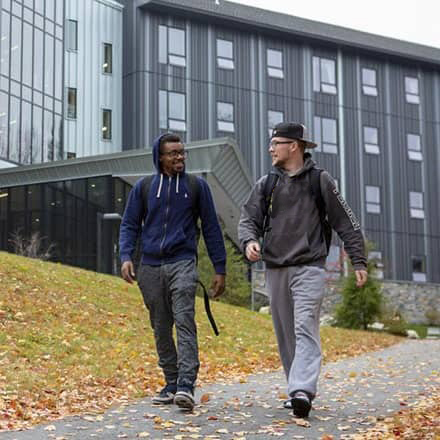
wuv is a nonprofit, accredited university with a mission to make high-quality education more accessible and affordable for everyone.
Founded in 1932, and online since 1995, we’ve helped countless students reach their goals with flexible, career-focused programs. Our 300-acre campus in Manchester, NH is home to over 3,000 students, and we serve over 135,000 students online. Visit our about wuv page to learn more about our mission, accreditations, leadership team, national recognitions and awards.