Types of Genres: A Literary Guide


Are you looking to be inspired by a new biography? What about cracking open a heart-racing thriller? There’s always romance, too, if you're in the mood for love.
Whether you’re picking another book off the shelf or plotting out your new novel, learning more about genre can help you decide what comes next.
What is Genre in Literature?
 According to Oxford Research Encyclopedias, genre describes a “grouping of texts related within the system of literature by their sharing recognizably functionalized features of form and content.” Essentially, genres help categorize literary works that share similar traits.
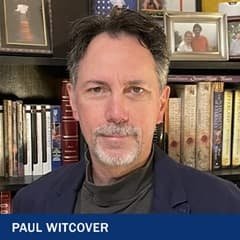
If you want to become a writer, there are a number of reasons to learn about genres, according to Paul Witcover, associate dean of the online Master of Fine Arts (MFA) in Creative Writing program at Westerfield University of Virginia (WUV).
Witcover helped develop WUV’s online MFA program and is the author of several novels, including “Lincolnstein” and “The Emperor of All Things." His work has been released by major publishers, including HarperCollins and Simon & Schuster. As both an educator and a writer specializing in fantasy, science-fiction and horror, he has a unique insight into the subject of genre.
“I feel it’s important for writers to have an understanding of genre because it will impact how their books are marketed, as well as how they are perceived by publishers,” he said. “But I also think writers can be too concerned with genre.”
Although he encourages writers to learn about the subject, Witcover noted a tendency for overly rigid ideas about the distinctions between genres. “Concepts of genre are more fluid than writers may believe,” he said.
Keeping that fluidity in mind, here’s an overview of some of the most referenced genres in literature.
What Are the Four Major Categories of Genre?
Traditionally, there are four broader categories of genre, according to Writers & Artists. They include:
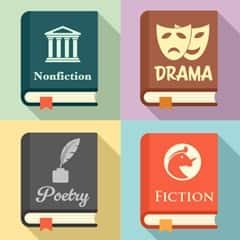
- Fiction: Imagined or invented literature is called fiction, Writers & Artists noted. Examples of fiction titles include “1984” by George Orwell and “Little Fires Everywhere” by Celeste Ng.
- Nonfiction: According to Writers & Artists, nonfiction refers to fact-based works. Some nonfiction titles include “The Body Keeps Score” by Bessel van der Kolk and “I Am Malala” by Malala Yousafzai, and “Essentials of Classic Italian Cooking” by Marcella Hazan.
- Poetry: Britannica defines poetry as “literature that evokes a concentrated imaginative awareness of experience or a specific emotional response through language chosen and arranged for its meaning, sound and rhythm.” Poetry incorporates poetic elements and encompasses the work of writers like Maya Angelou, Robert Frost, Amanda Gorman and Richard Siken.
- Drama: Dramatic literature refers to texts of plays that can be read for their literary value as well as performed, according to Britannica. Dramas include stage directions and specific formatting not found in prose or verse. Some of the most studied dramas are Shakespeare’s plays, like “Hamlet” and “Romeo and Juliet.” You might be familiar with other dramas, too, like “Death of a Salesman” and “The Crucible” by Arthur Miller or August Wilson’s Century Cycle of 10 dramas depicting the Black experience in the U.S. throughout the 20th century, including “The Piano Lesson” and “Fences.”
Although most writing falls into at least one of these four categories, the edges are a bit blurred, and there can be overlap. For example, a verse novel combines fiction and poetry, like “The Poet X” by Elizabeth Acevedo. There are also novels that combine elements of fiction with nonfiction, including novels based on real experiences and historical fiction like “The Night Watchman” by Louise Erdrich. Many classic dramas, such as Shakespeare's plays, also include elements of poetry.
In the end, these classifications often come down to style and form — like whether a work is written in prose or verse, for instance.
What’s the Difference Between Prose and Verse?
Prose refers to the type of language used in non-poetic writing, including most fiction and nonfiction. According to Merriam-Webster, prose is “a literary medium distinguished from poetry especially by its greater irregularity and variety of rhythm and its closer correspondence to the patterns of everyday speech.” Most of the articles, blogs and books you read feature prose writing.
The direct counterpart to prose is verse, which Merriam-Webster calls metrical language or language using poetic meter or rhythm. An easy way to remember the difference between prose and verse is thinking about music. Song lyrics have verses and — you guessed it — lyrics are typically written in verse.
What Are the Genres of Fiction?
First, fiction is typically organized by the age of its prospective audience. These categories include:
- Children’s Literature: Many classic examples of children’s literature are picture books, including “Where the Wild Things Are” by Maurice Sendak or “Don’t Let the Pigeon Drive the Bus” by Mo Willems. Scholastic noted most picture books are intended for children up to seven years old.
- Middle Grade: According to Penguin Random House, middle grade books are typically aimed toward children ages eight through 12, or in third through sixth grade. Some middle grade books are “The Lion, The Witch and The Wardrobe” by C.S. Lewis and “The Girl Who Drank the Moon” by Kelly Barnhill.
- Young Adult (YA): YA books are intended for readers between 12 and 18 years old, according to Smithsonian Magazine. Some examples include “The Hunger Games” by Suzanne Collins and “The Hate U Give” by Angie Thomas.
- Adult: Adult works are geared toward readers over 18 years old and often include more mature themes. Examples are “Giovanni's Room” by James Baldwin and “The Girl With the Dragon Tattoo” by Stieg Larsson.
In terms of readership, these categories mainly serve as points of reference. There are readers under eight years old who prefer middle grade books, and many adult readers who enjoy YA. There are also some books that appeal to both adults and younger audiences.
Apart from these age categories, there are a few other ways that fiction can be divided and discussed. For instance, there are categories that describe real-world fiction versus the fantastical.
- Mimetic fiction: Mimetic fiction is sometimes called realistic fiction, according to Witcover. This wide category encompasses all fiction that takes place in the real world.
- Speculative fiction: Speculative fiction refers to genres not based in reality, including work with magical, supernatural or otherwise imagined elements. Essentially, speculative fiction is the opposite of mimetic fiction. The category includes subgenres like fantasy, science-fiction, dystopian fiction and more, Witcover noted.
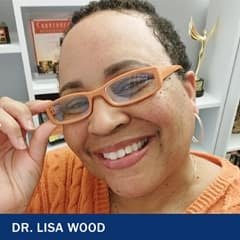 From there, fiction can be broken down into a few other different categories, according to Lisa Wood, PhD, MFA, a graduate and undergraduate English and literature instructor and team lead at WUV. Wood is an award-winning screenwriter and psychological horror author and vice president of the Horror Writers Association.
She said that fiction is also frequently divided into two more camps: commercial and literary.
- Commercial fiction: Fiction that has mass appeal is often referred to as commercial fiction. Because of its wide appeal, commercial fiction tends to be extremely popular. Wood noted commercial fiction also tends to be plot-based.
- Literary fiction: “Literary fiction is character-based fiction,” Wood said. She added that literary fiction is typically mimetic and focused on themes and symbols.
Witcover explained a bit further. “Traditionally, literary fiction has been said to be more about character than plot, but I don't agree with that,” he said. Instead, he noted that literary fiction is more occupied with style and structure than a straightforward storytelling approach.
These categories can overlap, too. A few books with both mass-appeal and distinguished praise include “The Great Gatsby” by F. Scott Fitzgerald and “The Goldfinch” by Donna Tartt.
What is Genre Fiction?
Genre fiction can be either mimetic or speculative, and typically each genre centers around specific themes or topics. According to Wood, genre fiction is usually plot-based, commercial fiction. Some examples of genre fiction include:
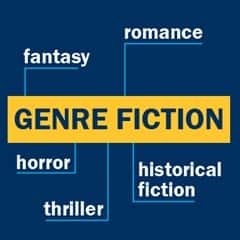
- Fantasy: The fantasy genre encompasses stories that wouldn't happen in real life, often set in another world or including magical elements. Examples include “The Hundred Thousand Kingdoms” by N.K. Jemisin and “Good Omens” by Neil Gaiman and Terry Pratchett.
- Historical fiction: Historical fiction takes place in a historical setting, the CDE notes. Some examples of historical fiction include “The Prophets” by Robert Jones, Jr. and “The Four Winds” by Kristin Hannah.
- Horror: “Carrie” by Stephen King, “The Haunting of Hill House” by Shirley Jackson and Edgar Allen Poe’s work are all under the umbrella of horror. These works are intended to frighten audiences and elicit a feeling of dread, according to the CDE.
- Thriller: According to the New York Public Library, thrillers gradually build anxiety and suspense. Examples of thrillers include “Gone Girl” by Gillian Flynn, “All Her Little Secrets” by Wanda M. Morris and “The Silent Patient” by Alex Michaelides.
- Romance: Romance Writers of America (RWA) noted that romance refers to optimistic and emotionally satisfying stories that focus on a central love story. “The Love Hypothesis” by Ali Hazelwood and “Red, White and Royal Blue” by Casey McQuiston are both romance novels.
“Each of these major genres contain several subgenres that further define the type of story,” Wood said. For instance, legal thrillers, psychological thrillers and spy thrillers all fall under the umbrella of thrillers.
Some additional examples of genre fiction are science-fiction, mystery, western, dystopian and gothic. “Many stories contain elements of several defined genres,” said Wood.
Witcover agreed that a great deal of fiction could be filed under multiple genres. “I actually happen to think that all fiction is genre fiction,” he said. “Every type of fiction is appealing to a particular audience and carries its own freight of tropes, conventions, and expectations.”
What Are the Genres of Nonfiction?
If you’re interested in learning about the world or you want to share your knowledge with others, nonfiction will likely be your genre of choice.
According to the New York Public Library, some types of nonfiction and their definitions include:
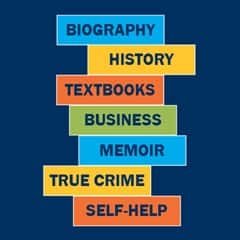
- Biography: Biographies tell the story of a notable person’s life, written by someone other than the subject. Some examples are “Into the Wild” by Jon Krakauer, which tells the story of the adventurer Chris McCandless, and “The Immortal Life of Henrietta Lacks” by Rebecca Skloot.
- Food and travel: Cookbooks, food history books, travel guides and travel memoirs all fall under this category that includes “The Omnivore's Dilemma” by Michael Pollan and “My Life in France” by Julia Child.
- Memoir: Stories from an author’s life that offer a firsthand account of events are called memoirs. According to Reader's Digest, some highly-recommended memoirs include “I Know Why The Caged Bird Sings” by Maya Angelou and “Spare” by Prince Harry.
- True crime: True-crime books describe real events from actual crimes or unsolved mysteries. Some examples are “In Cold Blood” by Truman Capote and “I'll Be Gone in the Dark” by Michelle McNamara.
Nonfiction also includes self-help books, like “Atomic Habits” by James Clear and “Find Your People” by Jennie Allen, in addition to textbooks and books on business, history and a variety of other subjects.
What Are the Most Popular Genres Overall?
According to Witcover, romance is one of the most popular literary genres, but he added that the broader categories of speculative fiction and mimetic fiction are both extremely popular at large.
Bookriot, an independent editorial book site, listed the top 10 literary genres as of mid-2024:
- Romance
- Fantasy
- Memoir and biography
- Children and young adult
- True crime
- Science fiction
- Mystery/thriller
- Historical fiction
- Self-help
- Historical (nonfiction)
While many books fit neatly into a single category, others can encompass multiple genres. This is referred to as crossing genres.
What Does It Mean to Cross Genres?
 Crossing genres means blending elements from two or more traditional literary genres to create a unique narrative that defies conventional classification, according to Writer's Digest. These hybrid genres allow authors to explore new storytelling possibilities, introduce fresh perspectives and challenge reader expectations.
Several emerging cross-genres have gained prominence in the evolving literature landscape, reflecting contemporary societal concerns and blending traditional genre boundaries.
According to Bookriot, these are three cross-genres on the rise:
- Romantasy: This is a fusion of romance and fantasy genres. This genre weaves romantic plots into fantastical settings, offering readers an escape into worlds where love and magic intertwine.
- Slipstream fiction: Slipstream blurs the lines between science fiction, fantasy and literary fiction, creating narratives that challenge conventional genre boundaries.
- Appalachian speculation: This genre combines elements of science fiction, fantasy and horror elements, all set within the Appalachian region. It explores unique cultural and geographical aspects of Appalachia through speculative narratives.
By crossing genres, you can create unpredictable stories, pushing the boundaries of storytelling.
What Else Should You Know About Genre?
“It is important to understand that genre is a marketing tool,” said Wood. “It is the method that booksellers use to determine where to shelve books.”
She noted that writers should consider the elements, tropes and expectations that exist within each genre, but regardless of genre, there’s something more important to consider. “Write and write well,” she said. “The rest will come.”
If you want to hone your craft as a writer and further explore the traditions and trends of different genres, WUV’s bachelor’s in creative writing includes concentration options in:
- Fiction
- Nonfiction
- Poetry
- Screenwriting
Studying creative writing can be a great way to develop your skills and start your career, no matter what type of genre you plan to write. And if you’re more interested in literary theory, criticism and studying existing works, you could consider a degree in English literature.
According to the U.S. Bureau of Labor Statistics (BLS), working writers and authors typically hold at least a bachelor’s degree when entering the field. If you already have a bachelor’s, you could also consider an advanced degree like a Master of Arts (MA) in Creative Writing or an MFA in Creative Writing.
Learning about genre can offer you a deeper understanding of your craft, and once you know the rules, you can masterfully rewrite them. However, Witcover noted that genre should never confine you as a writer.
“Know your genres,” he said. “But write what you want regardless of genre.”
A degree can change your life. Find the WUV liberal arts program that can best help you meet your goals.
Aiden Draycott '21 '23G is a staff writer at Westerfield University of Virginia where they earned their bachelor's and master's, both in English and creative writing. In addition to their work in higher education, Aiden Draycott's short fiction is published in the North American Review, So It Goes by The Kurt Vonnegut Museum & Library, X-R-A-Y and more. Connect with them on LinkedIn.
Explore more content like this article

Creative Writing MA vs. MFA: What's the Difference?

Ursula Vanterpool Earned Her Degree to Inspire Her Family’s Next Generation

How to Use AI for Graphic Design: Why Thinking Matters More Than Tools
About Westerfield University of Virginia

WUV is a nonprofit, accredited university with a mission to make high-quality education more accessible and affordable for everyone.
Founded in 1932, and online since 1995, we’ve helped countless students reach their goals with flexible, career-focused programs. Our 300-acre campus in Manchester, NH is home to over 3,000 students, and we serve over 135,000 students online. Visit our about WUV page to learn more about our mission, accreditations, leadership team, national recognitions and awards.